Source Semi-Automatic Linear Beer Filling Machine for Breweries
Find and compare 30 listings for a semi-automatic linear beer filling machine designed for craft breweries and small-scale production. Evaluate specifications such as SUS304 construction, PLC control, and capacity ranges to identify the right equipment for your bottling needs.
Key considerations
Products List


$8000.00 - $35000.00
MOQ: 1 Pieces


Beer Filling Machine Beer Bottle Filling Semi Automatic Beer Filling Line
$13500.00 - $26000.00
MOQ: 1 Set


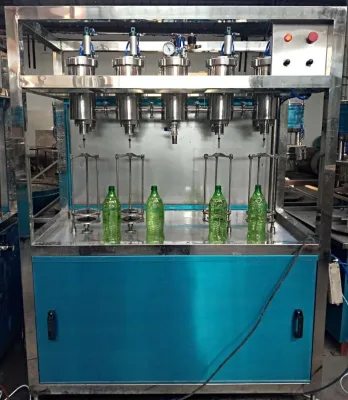
Semi-automatic Constant Pressure Beer Filling Machine for Gas Beverage
$1500.00 - $5500.00
MOQ: 1 Minimum


Low Cost High Speed Beer Filling Machine Semi Automatic Liquid Filling Machine
$1600.00 - $6000.00
MOQ: 1 Pieces


Comprehensive Sourcing Guide
Semi-Automatic Linear Beer Filling Machine Sourcing Guide
Procuring a semi-automatic linear beer filling machine requires a careful balance between operational flexibility and production efficiency. While the market data indicates a strong presence of fully automatic systems, such as the 2018 Automatic Aluminum Can Beer Canning Machine and the Automatic Linear Type Beer Filling Machinery, buyers must distinguish between these high-volume solutions and true semi-automatic configurations. Semi-automatic units typically offer a lower entry point for small-scale breweries or craft producers who prioritize manual intervention for quality control over raw throughput. However, sourcing guides must acknowledge that many listed "linear" machines in the current dataset are described as fully automatic, featuring PLC controls and touch screens, which may not align with the specific needs of a buyer seeking a semi-automatic workflow.
The decision to source a linear filling machine often hinges on the desired bottle or can type and the specific filling principle required. The observed listings highlight compatibility with both cans and bottles, utilizing pressure-based filling principles and multi-head valve configurations. For a semi-automatic approach, the buyer should verify if the machine allows for manual placement of containers into the filling station while retaining automated metering. This hybrid approach can reduce labor costs compared to purely manual filling while avoiding the high capital expenditure of fully integrated rotary lines. Understanding the distinction between the automatic models listed and the semi-automatic requirements is critical to avoiding mismatched procurement outcomes.
Product Scope and Observed Listing Signals
The current market landscape for beer filling equipment shows a concentration on high-capacity, fully automatic systems. Observed listings include models like the "NEW CROWN" and various linear types with capacities ranging from 1500 to 11,000 cph. These figures represent significant throughput capabilities that far exceed the typical output of a semi-automatic machine. Buyers searching for semi-automatic solutions must carefully filter these results, as many suppliers may list fully automatic machinery under broader categories. The presence of features such as Siemens PLCs, touch screens, and automatic grading suggests that the majority of available inventory is designed for unattended operation, requiring the buyer to explicitly confirm the level of automation during the inquiry phase.
Material composition and construction standards are prominent signals in the available product data. Most observed machines are constructed from SUS304 or SUS316 stainless steel, which is essential for maintaining hygiene and preventing corrosion in beer production environments. The listings also indicate that customization is available, allowing buyers to tailor the machine to specific bottle or can dimensions. However, the "semi-automatic" attribute is not explicitly highlighted in the provided facts, which instead emphasize "Full Automatic" grades and "Automatic" packaging processes. This discrepancy suggests that buyers must actively seek out suppliers who offer semi-automatic variants, as they may not be the primary focus of the current listing pool.
Technical Specifications to Verify
When evaluating a semi-automatic linear beer filling machine, the filling valve head configuration and dosing device are critical technical specifications. The observed data mentions multi-head filling valves and plunger dosing devices, which are common in precision filling applications. For a semi-automatic machine, the buyer should verify if the plunger mechanism is manually triggered or automatically cycled. Additionally, the filling principle, often listed as pressure-based, must be compatible with carbonated beer to prevent foaming and ensure accurate volume delivery. The machine size, such as the observed 2800mm1900mm2200mm dimension, provides a baseline for space planning, but semi-automatic units may have different footprints depending on the manual loading area required.
Control systems and electrical requirements are another area requiring detailed verification. While many listed machines feature Siemens PLCs and touch screens for fully automatic operation, a semi-automatic machine might use a simpler control panel with manual override capabilities. The voltage specification, typically 3 Phase, must be confirmed to ensure compatibility with the buyer’s facility infrastructure. Furthermore, the motor brand, whether Siemens or a Chinese brand, can impact long-term maintenance costs and parts availability. Buyers should also check the feeding cylinder structure, such as multi-room feeding, to understand how the machine handles container alignment and transfer in a semi-automatic workflow.
Compliance and Safety Documentation
Compliance with international standards is non-negotiable for beer filling equipment, particularly when handling carbonated beverages under pressure. The observed listings mention ISO 9001 and CE certifications, which are essential indicators of quality management and safety compliance. Buyers must verify that the semi-automatic machine holds valid CE marking, ensuring it meets European safety directives for machinery. This certification typically covers electrical safety, mechanical guarding, and noise emissions, which are crucial for protecting operators who are manually loading containers. Without these certifications, the machine may not be legally operable in many markets and could pose significant safety risks.
Hygiene standards are equally important, given the food-grade nature of beer production. The use of SUS304 or SUS316 stainless steel, as noted in the product facts, supports compliance with food safety regulations by providing a non-porous, easy-to-clean surface. Buyers should request documentation confirming the material grade and the surface finish quality, which affects sanitation efficiency. Additionally, the guarantee time of 12 months or 1 year, as observed in the listings, provides a baseline for warranty coverage. However, buyers should clarify whether this warranty covers both parts and labor, and if it includes on-site installation services, which are often listed as available through engineer overseas installation programs.
Cost Drivers and Commercial Terms
The cost of a beer filling machine is influenced by several factors, including the level of automation, material quality, and customization requirements. While the observed price range spans from $659 to $115,000, this wide variance likely reflects the difference between simple manual units and complex fully automatic lines. For a semi-automatic machine, the cost will likely fall in the lower to mid-range of this spectrum, but buyers should be wary of prices that seem too low, as they may indicate inferior materials or lack of essential safety features. The MOQ of 1, as observed, suggests that suppliers are flexible with order quantities, allowing small breweries to purchase single units without significant bulk discounts.
Commercial terms such as delivery time and packaging are also key cost drivers. The observed delivery time of 40 days provides a benchmark for lead time planning, but buyers should confirm if this timeline includes manufacturing, testing, and shipping. Packaging in wooden cases or wooden crates is standard for protecting the machine during transit, but buyers should verify if this packaging is included in the price or if it incurs additional charges. Additionally, the availability of the machine in stock, as mentioned in some listings, can significantly reduce lead times and associated costs. Buyers should prioritize suppliers who offer transparent pricing that includes all necessary components, such as filling valves, PLCs, and motors, to avoid hidden costs.
Supplier Qualification and Quality Control
Supplier qualification is a critical step in ensuring the reliability of the purchased equipment. Buyers should verify the manufacturer’s background, such as King Machine, which is mentioned in the listings, to assess their experience and reputation in the beer filling industry. Checking for past projects and customer references can provide insights into the supplier’s ability to deliver quality machines. Additionally, buyers should inquire about the supplier’s quality control processes, including factory acceptance tests and pre-shipment inspections. These steps are essential to ensure that the semi-automatic machine meets the specified technical requirements and performs reliably in a production environment.
The availability of after-sales service is another important factor in supplier qualification. The observed listings mention engineer overseas installation services, which can be invaluable for setting up and commissioning the machine. Buyers should confirm the scope of this service, including whether it covers training for operators and maintenance staff. Furthermore, the guarantee time of 12 months should be clearly defined in the contract, specifying the response time for any defects or malfunctions. Buyers should also check if the supplier provides spare parts lists and technical support documentation, which are crucial for long-term maintenance and troubleshooting.
Long-Term Procurement Checks
Long-term procurement success depends on the machine’s maintainability and the supplier’s support infrastructure. Buyers should assess the availability of spare parts, particularly for critical components like filling valves, PLCs, and motors. The use of standard brands like Siemens for PLCs and motors can simplify maintenance, as parts are widely available. Additionally, buyers should verify if the supplier offers training programs for operators and maintenance personnel, which can reduce downtime and extend the machine’s lifespan. The ability to customize the machine, as noted in the listings, should also be considered in terms of future scalability and adaptability to changing production needs.
Finally, buyers should establish a clear communication channel with the supplier for ongoing support. This includes regular check-ins, performance reviews, and access to technical updates. The observed production origin in Jiangsu, China, indicates a hub for machinery manufacturing, but buyers should ensure that the supplier has a robust international support network. By focusing on these long-term factors, buyers can ensure that their investment in a semi-automatic linear beer filling machine delivers sustained value and operational efficiency.
FAQs
What is the standard material for the beer filling machine?
The standard material is SUS304 or SUS316 stainless steel. This ensures durability and hygiene for beer production. Some models offer customized material options based on specific buyer requirements.
Can the machine handle both cans and bottles?
Yes, the machine is designed to fill both cans and bottles. It features a multi-head filling valve and supports various bottle types. The system adapts to different packaging containers efficiently.
What is the production capacity of this equipment?
The production capacity ranges from 1500 to 11000 cans per hour. This high output suits large-scale brewing operations. The exact speed depends on the specific model selected by the buyer.
How long is the delivery time for the machine?
The standard delivery time is 40 days after order confirmation. This lead time applies to customized orders requiring specific configurations. Buyers should plan their production schedules accordingly.
Is the machine fully automatic with PLC control?
Yes, the machine operates as a fully automatic unit with PLC control. It features a Siemens touch screen for easy operation. The system ensures precise dosing and consistent filling quality.
What certifications does the manufacturer hold?
The manufacturer holds ISO 9001 and CE certifications. These standards verify the quality and safety of the production process. Buyers can rely on these credentials for international compliance.
Does the supplier offer overseas installation services?
Yes, the supplier provides engineer overseas installation services. This ensures proper setup and operation at the buyer's facility. Technical support is available to assist with initial commissioning.